How Does Fetch Make Money? The Business Behind Free Rewards
Fetch is a free U.S. rewards app that gives users points for eligible receipts, offers, online shopping, games, and other activities. So how does Fetch make mon...

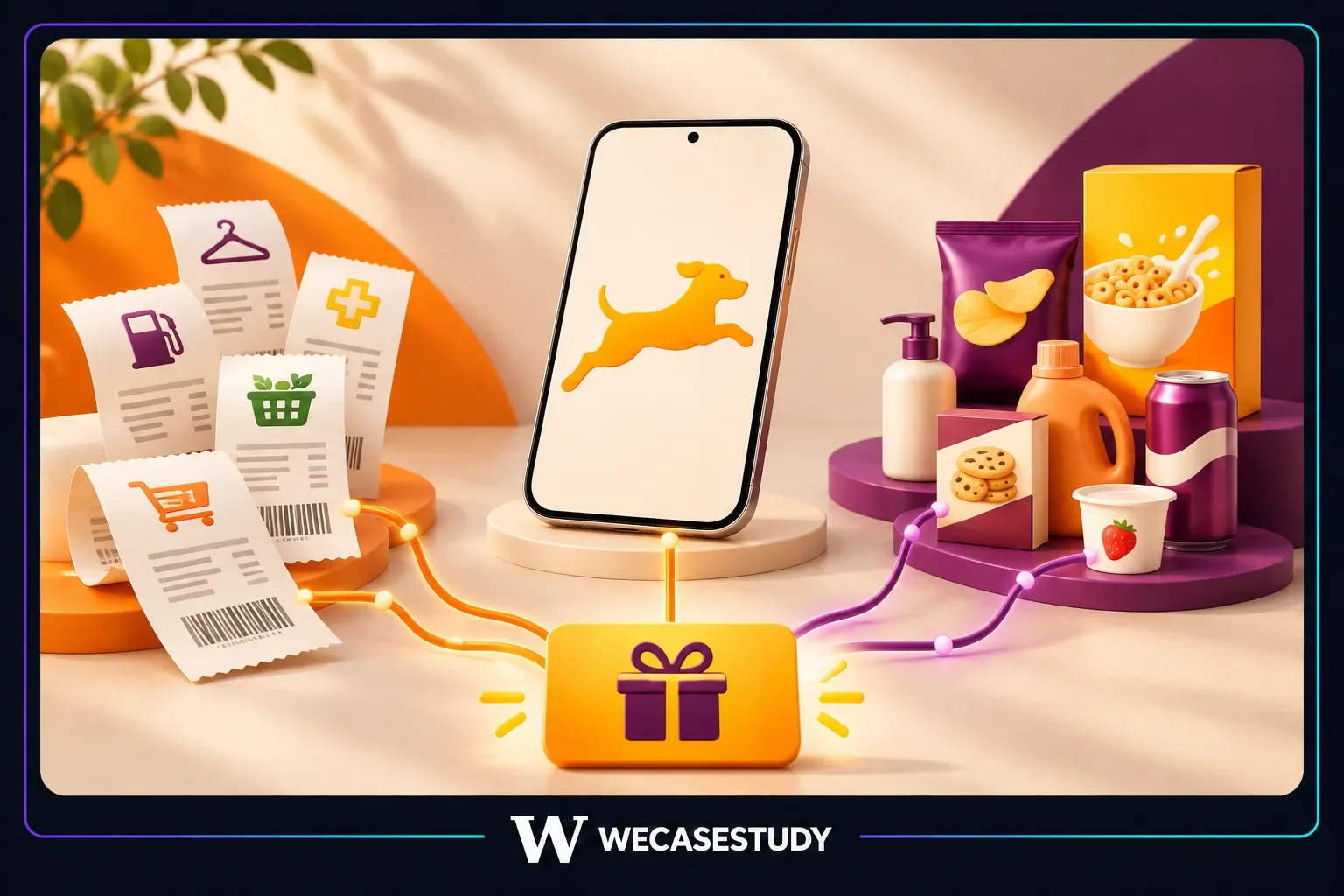
Fetch is a free U.S. rewards app that gives users points for eligible receipts, offers, online shopping, games, and other activities. So how does Fetch make money? The company earns commercial revenue by helping brands and advertisers reach shoppers, influence purchases, and measure results. Receipt and purchase information gives Fetch a view of what consumers actually buy, while rewards encourage people to keep participating. In simple terms, brands fund the commercial side of the system, consumers receive incentives, and Fetch connects the two through advertising, promotions, purchase-based targeting, and measurement.
How Does Fetch Make Money?
Fetch operates a two-sided rewards and advertising platform. Consumers use the app without a membership fee, while brands and commercial partners pay to reach, activate, and measure shoppers.
The model can be summarized as:
Brand marketing spend → Fetch advertising and offers → consumer rewards and engagement → verified purchase activity → campaign measurement and audience insights
Fetch says most revenue comes from partner-brand relationships. Its business platform includes Offers, Point Boost, media, purchase-based audiences, acquisition and retention campaigns, and measurement. It does not publish a product-level revenue mix.
Fetch's Main Revenue Streams
The most useful way to analyze Fetch revenue streams is to separate clearly disclosed monetization from commercial capabilities that support the business but are not reported as standalone revenue lines.
Activity | What public sources confirm | Classification |
Brand offers | Brands can pay to be featured through high-point offers | Confirmed commercial product |
Display and video media | Fetch sells in-app media to brands | Confirmed advertising activity |
Rewarded Video | Advertisers pay based on completed views | Explicit monetization mechanism |
Purchase-based targeting | Brands can activate audiences based on buying behavior | Commercial capability; standalone revenue not disclosed |
Campaign measurement | Fetch measures sales lift, acquisition, repeat purchase, and long-term value | Supporting commercial capability |
Fetch Play | Gaming creates another rewards and brand-engagement channel | Commercial ecosystem component; revenue mix not disclosed |
Fetch Shop | Users shop through participating retailers and earn points | Commercial shopping channel; exact revenue contribution not disclosed |
Brand Partnerships and Sponsored Offers
Brand-funded promotions are one of the clearest parts of the Fetch Rewards business model. A company can use an Offer or Point Boost to encourage trial, increase basket size, reactivate a lapsed buyer, or reward repeat purchasing.
Fetch says its platform can identify new, retained, and lapsed buyers from purchase behavior, then connect promotions with verified transactions.
Advertising and Media
Fetch also sells display and video media inside its app. Combined with transaction data, those placements can help brands evaluate outcomes beyond clicks or impressions.
This makes the Fetch advertising platform more than conventional in-app display inventory: purchase information can support both audience selection and post-campaign measurement.
Purchase-Based Targeting and Measurement
Fetch can build audiences around observed buying behavior and measure effects such as sales lift or repeat purchasing. Public disclosures do not establish that targeting, analytics, or measurement are separately reported revenue streams.
They are better understood as capabilities that make Fetch's paid advertising and promotional products more valuable.
Rewarded Video Advertising
Fetch launched Rewarded Video in August 2026. Consumers can choose to watch a branded video after scanning a receipt and receive Fetch Points in return.
Fetch says advertisers pay for completed views rather than served impressions. That makes Rewarded Video one of the clearest publicly described monetization mechanisms in the current Fetch revenue model.
Shopping and Gaming Partnerships
Fetch Play, launched with adjoe in 2024, lets users earn points by playing supported mobile games and reaching milestones. The product expands engagement beyond receipt scanning and gives brands another activation channel, but Fetch has not disclosed its standalone revenue contribution.
Fetch Shop extends the model into online shopping. Users start a purchase through Fetch and shop with participating retailers; points are tied to qualifying purchases and may depend on whether items are commissionable. Fetch's help documentation confirms the attribution mechanics but does not publish commission rates or revenue share.
Who Pays for Fetch Rewards?
Brands and other commercial partners support the revenue side of Fetch, but that does not mean one advertiser directly reimburses every point or gift card.
A brand may pay Fetch to run an Offer, media campaign, or other activation. Fetch then uses rewards as part of the consumer incentive system that makes those campaigns attractive. The exact accounting relationship between each campaign and each redeemed reward is not publicly disclosed.
Why Does Fetch Pay You for Receipts?
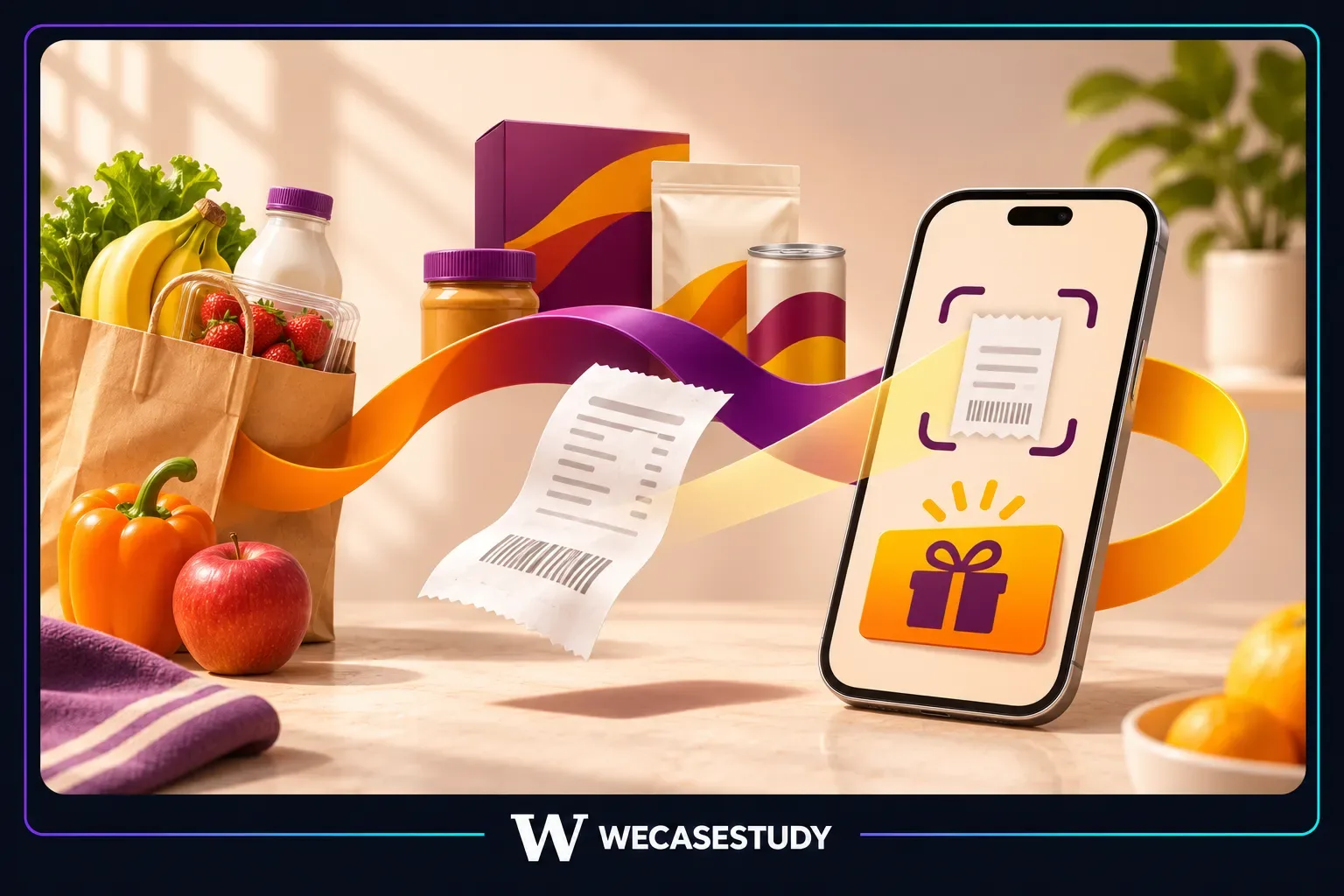
Receipts give Fetch evidence of real purchases. That is valuable because an impression or click does not prove that someone bought a product.
Fetch says its platform can use receipt-backed purchase history to understand shoppers across retailers and categories, identify new or lapsed buyers, and measure campaign outcomes.
By 2026, the company said users were submitting more than 13 million receipts per day, representing visibility into about $212 billion in annual gross merchandise value. GMV visibility is observed consumer spending, not Fetch revenue.
The Economics Behind Free Rewards
A simplified numerical example shows how free rewards can fit inside an advertising campaign:
Hypothetical campaign metric | Illustrative amount |
Brand campaign budget | $100,000 |
Consumer rewards | $55,000 |
Campaign processing and delivery | $15,000 |
Other attributed campaign costs | $10,000 |
Remaining campaign contribution | $20,000 |
These figures are hypothetical and do not represent Fetch's contracts, margins, accounting, or actual campaign economics.
The example only illustrates the logic: advertiser spending can theoretically cover consumer rewards plus the costs of running the campaign, leaving a contribution toward the company's broader expenses.
That $20,000 would not equal company net profit because salaries, technology, sales, overhead, taxes, and other costs still exist.
Does Fetch Sell or Share Your Data?
Fetch's current privacy policy does not support a blanket statement that it “never sells data.”
The policy says Fetch collects, uses, discloses, sells, and/or shares certain categories of personal information as those terms are defined under applicable U.S. state privacy laws. It lists identifiers, internet/network activity, and geolocation data among categories sold or shared with analytics or advertising partners in specified circumstances.
How Fetch Uses Consumer Purchase Information
Receipts and other transaction data can support personalized offers, audience targeting, fraud detection, campaign measurement, and product improvement.
Fetch also says de-identified or aggregated information may be used or shared for purposes such as consumer-shopping insights, market trends, marketing, and investment research.
That differs from selling every receipt to an advertiser. Fetch primarily monetizes advertising and promotional capabilities, while some data transfers may separately meet legal definitions of “sale” or “sharing.”
Consumer Privacy and Opt-Out Options
The policy provides a Do Not Sell or Share My Personal Information mechanism and describes state-specific rights.
Fetch also says sensitive personal information is not sold or shared for cross-context behavioral advertising, although certain sensitive information may be collected or disclosed with consent for specific services.
Users should review the current policy because privacy practices can change.
How Much Revenue Does Fetch Make?
Fetch is privately held, so public financial reporting is limited. The table separates operating metrics from financing and valuation.
WeCaseStudy's Pocket FM case study provides a useful related example of why an annualized run rate should not be confused with completed-year revenue.
Metric | Reported figure | Date/period | What it means |
Annualized revenue run rate | $500M | Q4 2024; announced Mar. 11, 2025 | Annualized revenue pace, not audited full-year revenue |
Reported revenue growth | 65% YoY | Q4 2024 | Company-reported growth in the run-rate milestone |
Monthly active users | 12.5M | Reported Mar. 11, 2025 | Usage metric |
Annual GMV visibility | ~$212B | Reported 2026 | Consumer spending visible to Fetch, not revenue |
Daily receipts | 13M+ | Reported 2026 | Platform activity |
Fetch Points awarded | $1B+ equivalent | Reported in 2026 materials | Cumulative rewards awarded, not annual expense |
Debt financing | $50M | Mar. 2024 | Debt capital raised from Morgan Stanley-managed funds |
Senior debt facility | $110M aggregate | Sept. 2025 | Total facility after upsizing, not $110M of new capital |
Historical valuation | $2.5B+ | Apr. 2022 | Historical financing valuation, not a current valuation |
Fetch's March 2025 release reported the $500 million annualized revenue run rate, 65% year-over-year growth, and 12.5 million monthly active users.
Its August 2026 Rewarded Video announcement reported 13 million-plus daily receipts, about $212 billion in annual GMV visibility, and more than $1 billion in cumulative Fetch Points awarded.
Reuters reported $50 million in debt financing in March 2024 and a valuation above $2.5 billion from April 2022. In September 2025, Fetch and Morgan Stanley Private Credit said the existing senior debt facility had been upsized to $110 million in aggregate. That figure describes facility size, not a fresh $110 million cash raise.
Revenue, profit measures, GMV, financing, valuation, and rewards awarded are different. Public data is insufficient to calculate Fetch's current gross profit, net profit, or adjusted EBITDA.
Is Fetch Profitable?
Reuters reported that Fetch became profitable for the first time in Q4 2023.
The report did not specify whether “profitable” referred to GAAP net income, operating profit, adjusted EBITDA, or another measure.
It therefore supports only a narrow conclusion: Fetch reported reaching profitability in that quarter. It does not prove that Fetch is currently profitable or disclose its margin.
What Makes Fetch's Business Model Competitive?
Fetch's advantage combines rewards, purchase visibility, advertiser demand, and measurement.
Its users submit receipts from many retailers rather than participating only in one store's loyalty system. That gives Fetch cross-retailer purchase information that can help advertisers distinguish existing, new, lapsed, category, and competitor buyers.
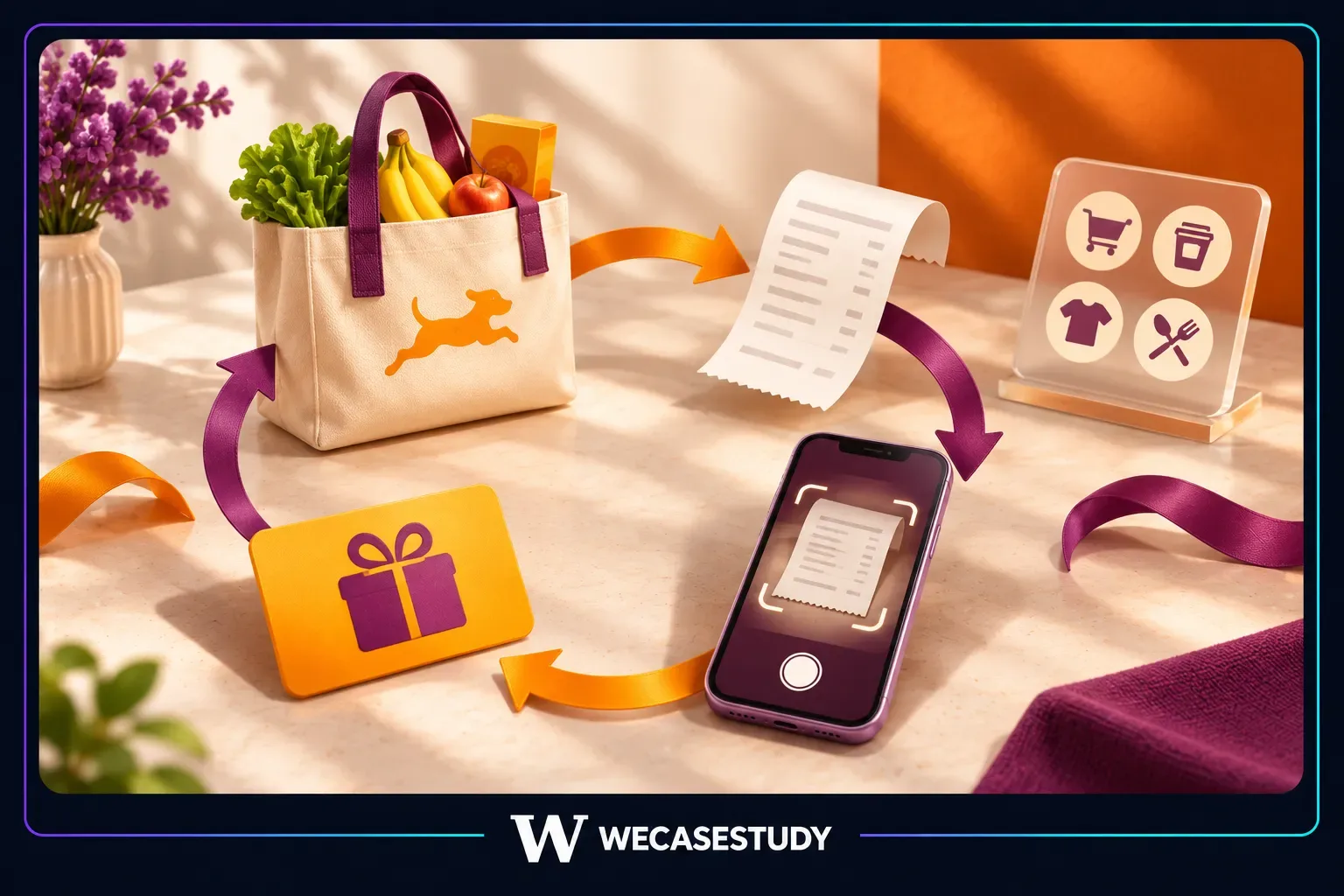
More useful data can improve targeting and measurement; stronger advertiser demand can fund more campaigns and rewards; better rewards can help retain consumers.
This is better described as an indirect marketplace and data flywheel than a classic direct network effect.
More users do not automatically make Fetch better if engagement is low, rewards are unattractive, or advertisers cannot prove incremental sales. WeCaseStudy's Airbnb case study provides a separate example of how marketplace participants can create indirect effects for one another.
Fetch vs. Ibotta vs. Rakuten
Platform | Consumer proposition | Primary paying customers | Revenue model | Main difference |
Fetch | Points for receipts, offers, shopping, games | Brands and advertisers | Promotions, advertising, commercial marketing products | Broad receipt-based purchase visibility |
Ibotta | Cash-back digital promotions | Brands/CPG clients | Mainly redemption fees, plus advertising and data products | Promotion/redemption network |
Rakuten Rewards | Cash Back for shopping through Rakuten | Retailers/merchants | Commission revenue tied to referred purchases | Performance/affiliate commerce |
Ibotta's 2025 Form 10-K says most revenue comes from fees when consumers redeem digital promotions, with additional advertising and data-product revenue. (investors.ibotta.com)
Rakuten's filings describe commission revenue when Rewards members make qualifying retailer purchases. (global.rakuten.com)
Is Fetch's Business Model Sustainable?
The model can scale, but only if several economics remain in balance.
Rewards must retain consumers without becoming too expensive. Fetch also has to fund technology, acquisition, sales, support, fraud prevention, privacy compliance, and other operations.
Fraud is particularly important because invalid receipts or manipulated activity can turn rewards into direct economic leakage.
Advertiser demand is another dependency: if brands cannot measure incremental sales or long-term customer value, budgets can move to other channels.
Consumer retention and privacy matter too. Shoppers can switch among retailer loyalty programs, credit-card rewards, cashback apps, and competing platforms. A rewards platform that asks for purchase information has to maintain a value exchange consumers consider worthwhile.
The business is therefore sustainable only if advertiser revenue and commercial value consistently exceed reward costs and the broader cost of operating the platform. Public disclosures do not provide enough information to calculate Fetch's current unit economics.
Fetch Business Model Canvas
This canvas is WeCaseStudy editorial analysis based on public information, not an official Fetch document.
Component | Fetch |
Customer segments | Consumers; brands; advertisers |
Value propositions | Rewards for shoppers; targeting, activation, and measurement for brands |
Channels | App, offers, media, Fetch Shop, Fetch Play |
Customer relationships | Ongoing rewards and personalized engagement |
Revenue streams | Brand advertising, promotions, and related commercial products |
Key resources | Consumer network, purchase data, technology, brand relationships |
Key activities | Rewards, campaign delivery, transaction processing, measurement |
Key partnerships | Brands, retailers, ad/technology, gaming and shopping partners |
Cost structure | Rewards, technology, acquisition, staff, fraud, compliance |
Business Lessons From Fetch
1. A free consumer product still needs a paying customer. Fetch can keep the core app free because brands receive enough potential marketing value to pay for the commercial side. Founders using a free model should identify who pays and why before subsidizing users. WeCaseStudy's analysis of how ChatGPT makes money shows another model in which different customer groups—including advertisers—can fund access for other users.
2. Incentives should connect to measurable economic value. Rewards are more defensible when they influence actions a business can observe—trial, repeat purchase, reactivation, or conversion. Engagement alone is not enough.
3. Information creates value only when trust survives the exchange. Purchase data can improve targeting and measurement, but consumers must understand what they receive and what happens to their information. Data advantage and privacy discipline have to grow together.
Frequently Asked Questions
How does Fetch make money if it is free?
Fetch earns commercial revenue from brands and advertisers that use its offers, media, audience targeting, and measurement capabilities. Consumers receive rewards instead of paying a membership fee.
How does Fetch Rewards make money from receipts?
Receipts provide purchase information that helps Fetch target promotions and measure campaign outcomes. The evidence does not support the simplistic claim that Fetch sells each receipt as a standalone product.
Is Fetch legit?
Yes. Fetch is an established U.S. rewards and advertising technology company with institutional financing, major brand relationships, and millions of active users.
For company history, ownership, leadership, products, and broader corporate information, see WeCaseStudy's Fetch company profile.
Is Fetch safe?
Fetch provides privacy controls and publishes a detailed privacy policy, but using the app involves sharing purchase and other account information.
Whether that tradeoff is acceptable depends on the user; consumers should review current privacy settings and terms.
Can Fetch's business model remain profitable?
Potentially, but sustainability depends on advertiser demand, reward costs, user retention, fraud control, and campaign effectiveness.
Fetch does not publish enough current financial information to calculate its unit economics or confirm ongoing profitability.
Final Takeaway
Fetch turns free consumer rewards into a brand-funded advertising ecosystem. Brands pay for promotions, media, targeting, and measurement; rewards encourage shopper participation; and purchase data helps connect marketing activity with real transactions. The model works only if that commercial value stays ahead of rewards and operating costs.